SWE budgets: from Opex to Capex
The increasing autonomy of code agents has fundamentally changed what is possible in software engineering.

"Mathemagician." AI hacker, entrepreneur and angel investor.
I'm currently the Head of AI at ClickUp, where I lead our work on agents for general-purpose knowledge work.
Previously, I founded Codegen, a coding agent backed by Thrive that grew to serve Ramp, Notion, Ironclad and many more. Codegen was acquired by ClickUp in 2025.
Before that, I built AI-driven shopping at Mira AI Inc, intelligent data systems at Palantir, and studied CS/AI at Stanford.
This is my actual name and not a pseudonym.
Essays and notes.
The increasing autonomy of code agents has fundamentally changed what is possible in software engineering.

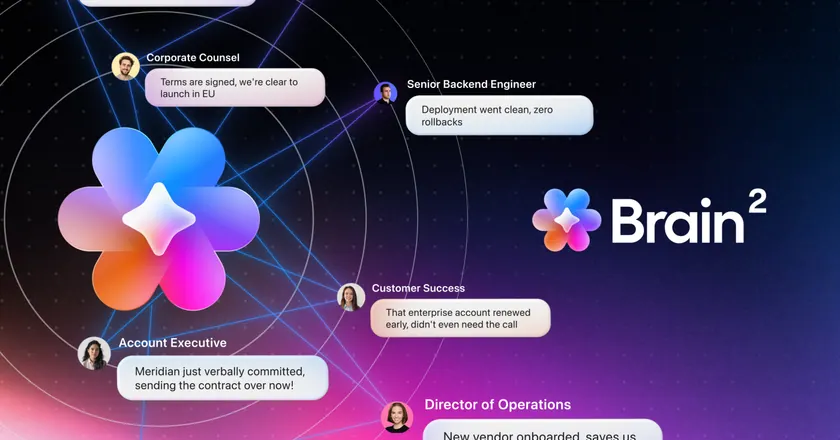
Announcing ClickUp Brain² as the culmination of the Codegen acquisition: a new agent harness for general-purpose knowledge work agents, powered by frontier models, tools, memory, compute, automations, and ClickUp's work graph.

On ultracoding: letting agents write code that spawns other agents, why code is the first domain to feel it (cheap bulk verification), how the bitter lesson pushes us toward runtime-defined multi-agent harnesses and agent-authored oversight UIs, and how the same pattern generalizes to large-scale knowledge work.

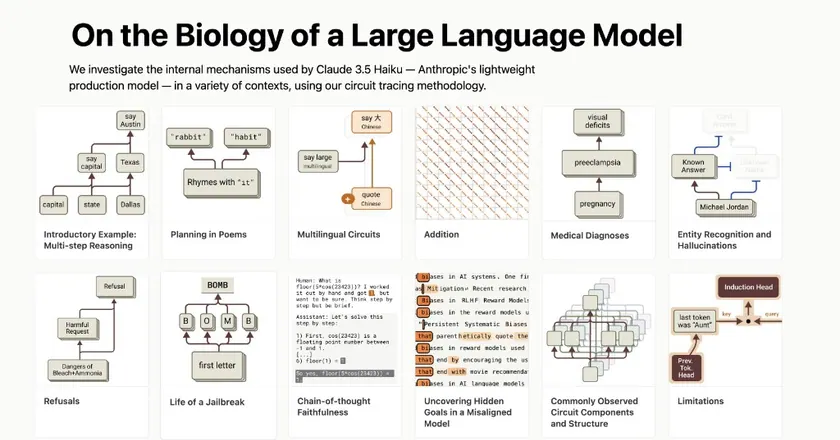
An adaptation of a thread on Anthropic's "On the Biology of a Large Language Model." It walks through how mechanistic interpretability and circuit tracing let us decompose a model's activations into human-interpretable features, watch genuine multi-step reasoning unfold (Dallas → Texas → Austin), and uncover quirks like Claude's non-human integer-addition algorithm — arguing that LLMs are far less of a black box than we were promised.

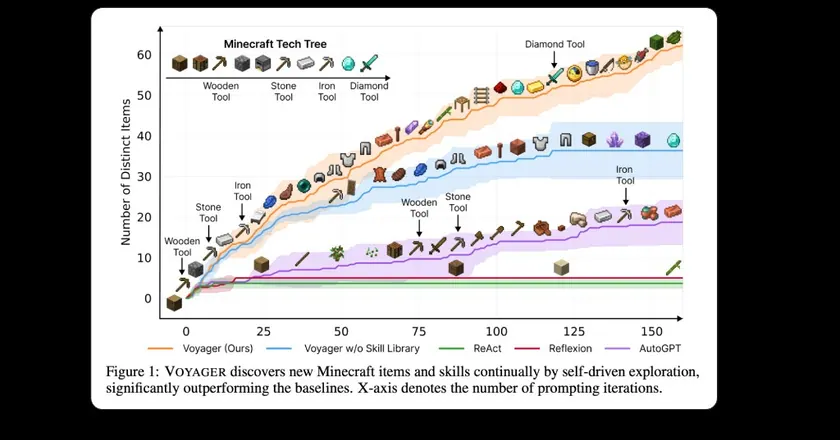
An essay arguing that the next step for software agents is not just better intelligence, but a more expressive action space: writing and executing programs against well-designed APIs. It connects lessons from Voyager's Minecraft agent to large-scale software engineering, explains why code execution enables composable and reviewable actions, and introduces graph-sitter as an open-source foundation for programmatic codebase manipulation.

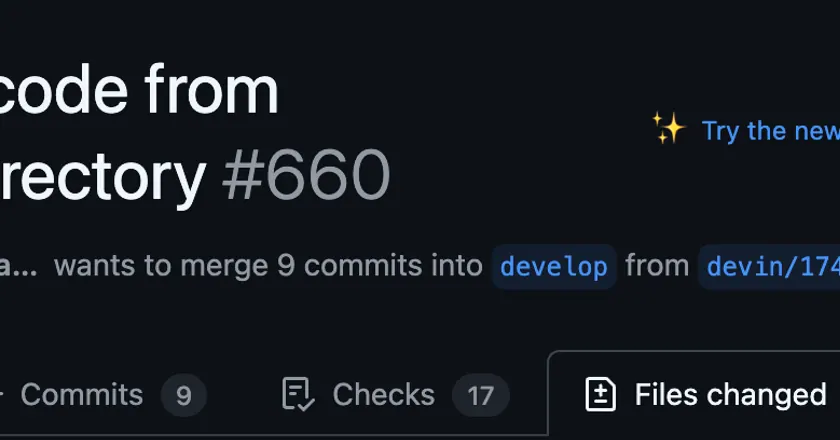
A practical case study showing how autonomous software agents can take on platform-level codebase changes when they operate through codemods. The post uses a Devin dead-code-removal task to show how agents can write, debug, run, and iterate on deterministic transformation programs that are easier to inspect than hundreds of individual AI-generated edits.

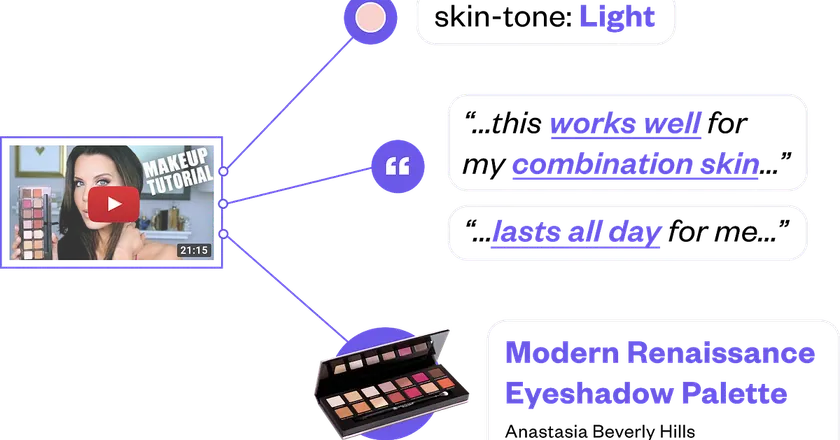
A commerce-focused exploration of adaptive personalization across the online shopping journey. The article frames e-commerce as a sequence of customer touchpoints, then describes how machine learning can select relevant content, product imagery, recommendations, and offers to help shoppers make better purchase decisions and improve long-term customer value.

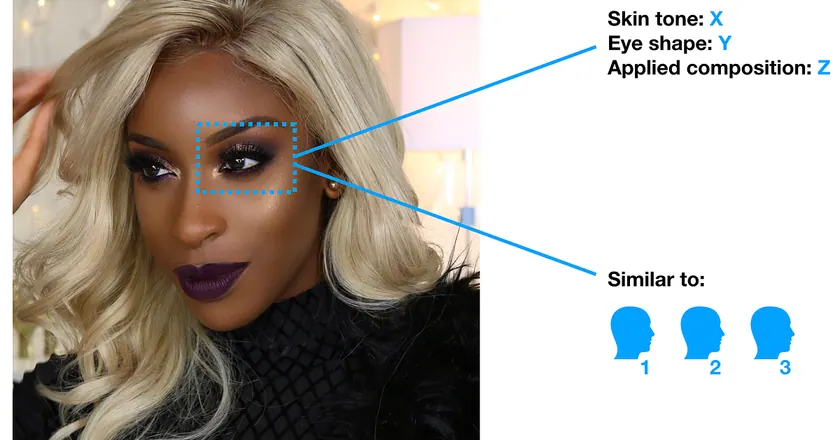
A technical walkthrough of using computer vision to make shopping experiences more relevant to each customer. The post explains how face and eye embeddings, geometric normalization, triplet loss, and transfer learning can match shoppers with more useful product inspiration and buying guidance while filtering out superficial visual noise like lighting, pose, and styling.

A personal archive of Jay's student-exchange blog from Nagano, Japan, spanning 26 posts from September 2009 through January 2010. The collection captures travel, language, school, culture, friendship, and coming-of-age observations from a much earlier era of personal writing.